Channel letter signs, built for the building they go on.
Front-lit, halo-lit, or non-illuminated. We design the letters, engineer the mount, pull the permit, fabricate them, and install them across Oklahoma City and the metro — one team, one contract.
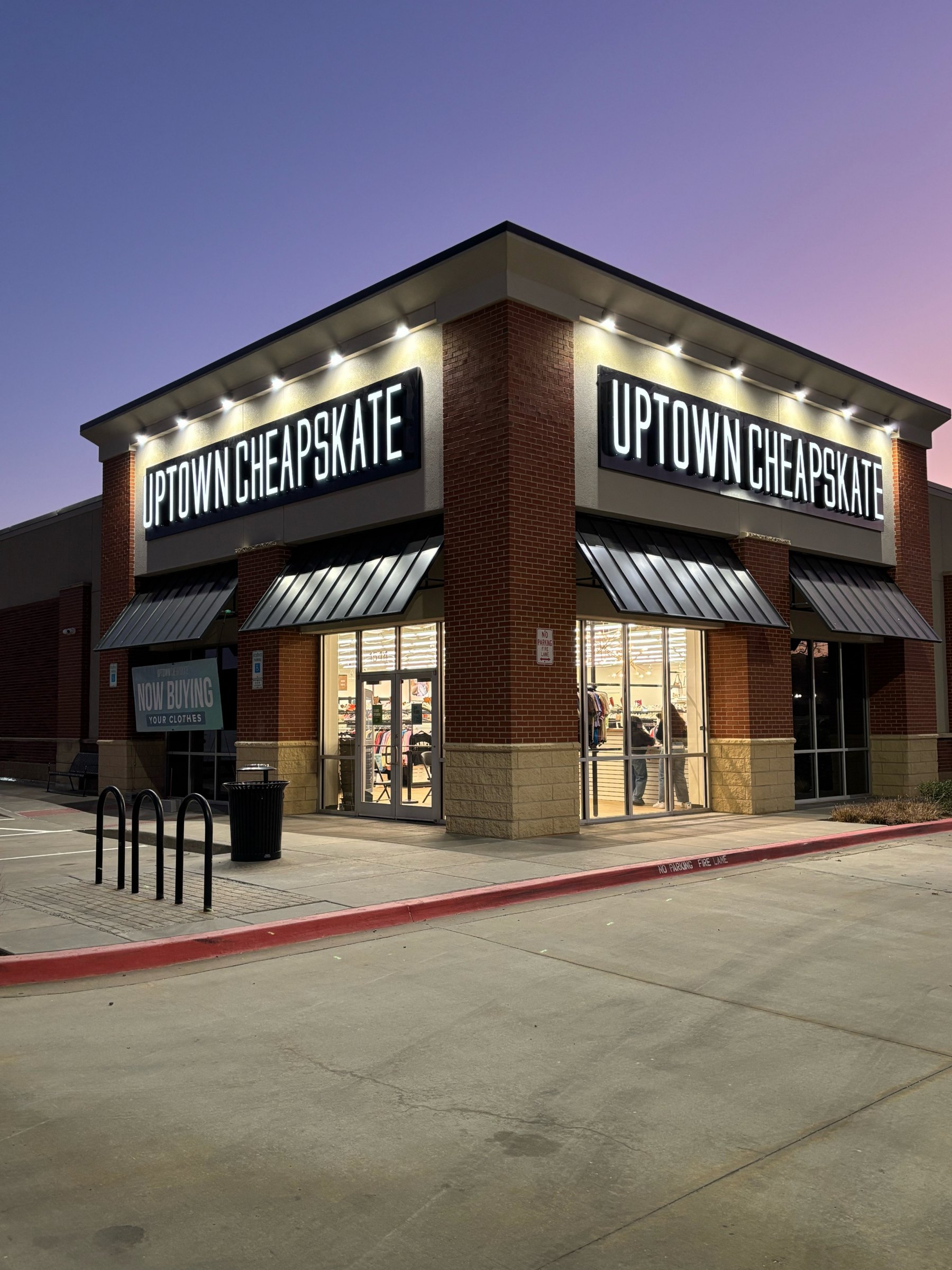
Front-lit, halo-lit, and non-illuminated dimensional letters — UL-listed components, engineered mounts, and permits approved before anything is fabricated.
A channel letter is five parts. The cheap ones cut corners on all five.
This is what is inside the letters on your building, and what to ask about before you sign anything.
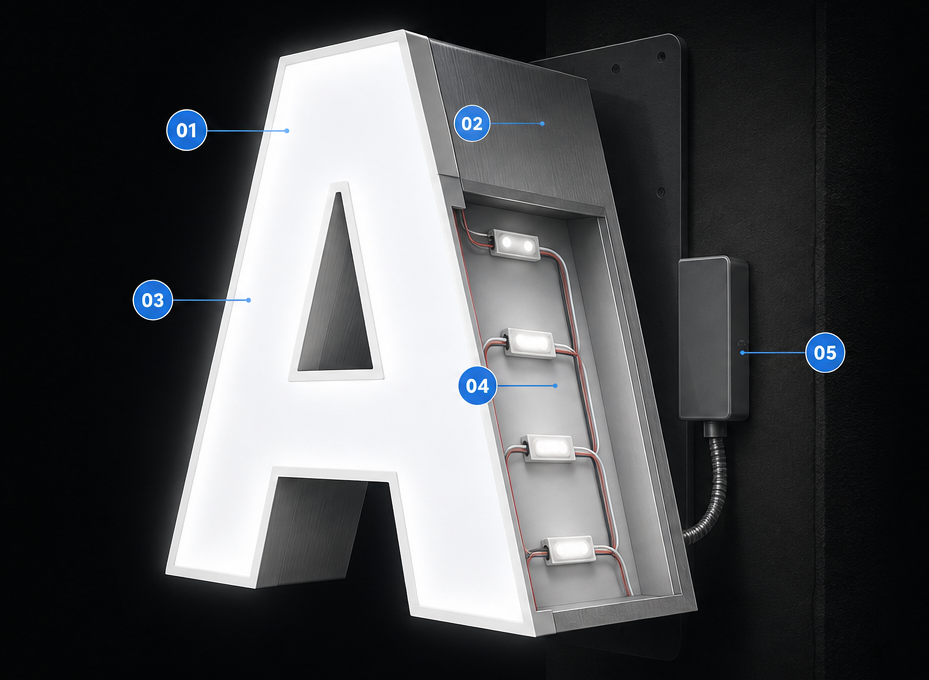
Face
3/16 in. acrylic, cut to the letter shape and finished with translucent vinyl so the color reads the same lit and unlit.
Return
The side wall of the letter, formed from .040 to .063 aluminum. Standard depth is 3 to 5 in. — deeper returns spread the light more evenly.
Trim cap
The 1 in. edge that locks the face to the return. Color-matched to the face, or run in a contrast color to sharpen the letter edge.
LED modules
UL-listed modules on a low-voltage circuit, spaced for even fill. No hot spots, and no dark corner at the bottom of an O.
Power supply
Remote-mounted transformers behind the wall with an accessible disconnect, so a service call in year six takes an hour instead of a day.
Four ways to light a letter. They read very differently at night.
The choice changes the price, the permit, and how the building photographs. It is worth ten minutes up front.
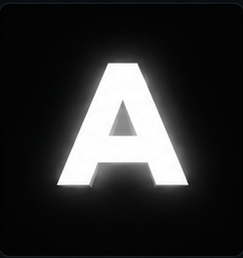
Front-lit (standard)
The face lights up. The most common storefront letter, the most familiar at night, and usually the least expensive to build and to service.
Retail, restaurants, and anything read from an arterial or a parking lot.
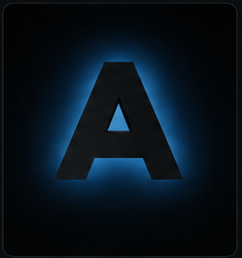
Halo-lit (reverse channel)
The face is opaque metal and the light washes the wall behind it. A glowing outline after dark, clean dimensional metal in daylight.
Class-A offices, medical, banks, and tenants with a design review board.

Front and halo (combination)
Two circuits in one letter — a lit face plus a halo behind it. The most presence per square foot, and two different looks from one sign.
Anchor tenants and elevations that have to carry a whole building.
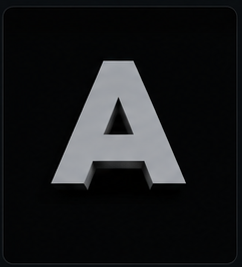
Non-illuminated dimensional
Fabricated or cut letters with no electrical at all. Often the fastest path through a landlord’s sign criteria and a historic district review.
Interior lobbies, monument faces, and walls with no power available.
Raceway, flush mount, or backer panel.
This one is usually decided by your landlord and your wall, not by preference — and it moves both the price and the permit.
Raceway mount
Letters mount to a painted metal enclosure that carries the wiring and the transformers. One set of wall penetrations, one electrical connection, and the whole assembly comes down in one piece.
Leased space, most landlord sign criteria, and walls you are not allowed to open up.
Flush (direct) mount
Each letter is mounted to the wall individually and wired behind it. The cleanest result — nothing on the building but the letters themselves.
Owned buildings, new construction, and elevations you can get behind.
Backer panel
Letters mount to a shaped panel that mounts to the building. Gives the sign a defined edge and covers a wall that will not read cleanly on its own.
Brick, split-face block, and multi-tenant elevations that have to match.
Channel letters we have put up around the metro.
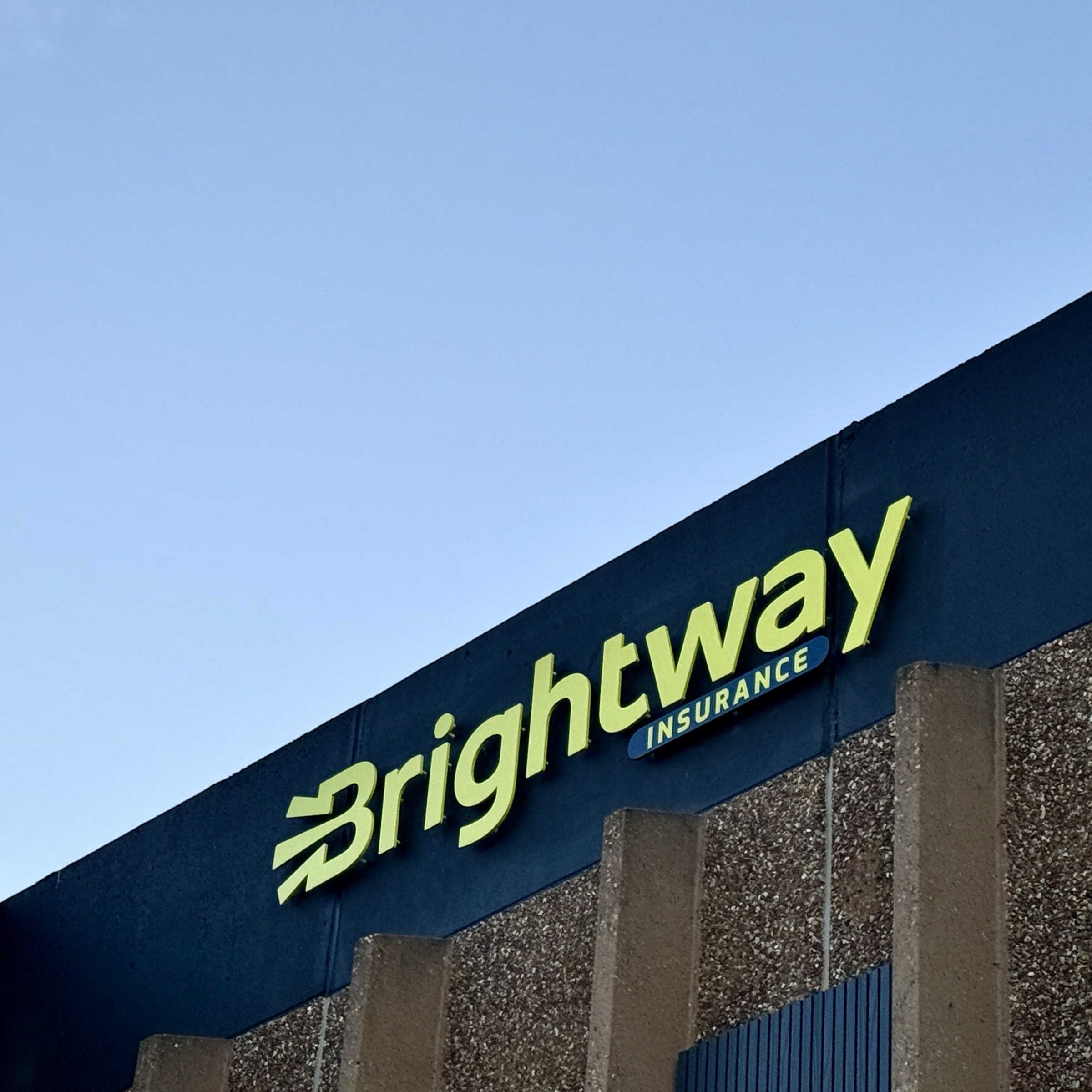
Brightway Insurance
Illuminated channel letters mounted to upper building fascia, Oklahoma City
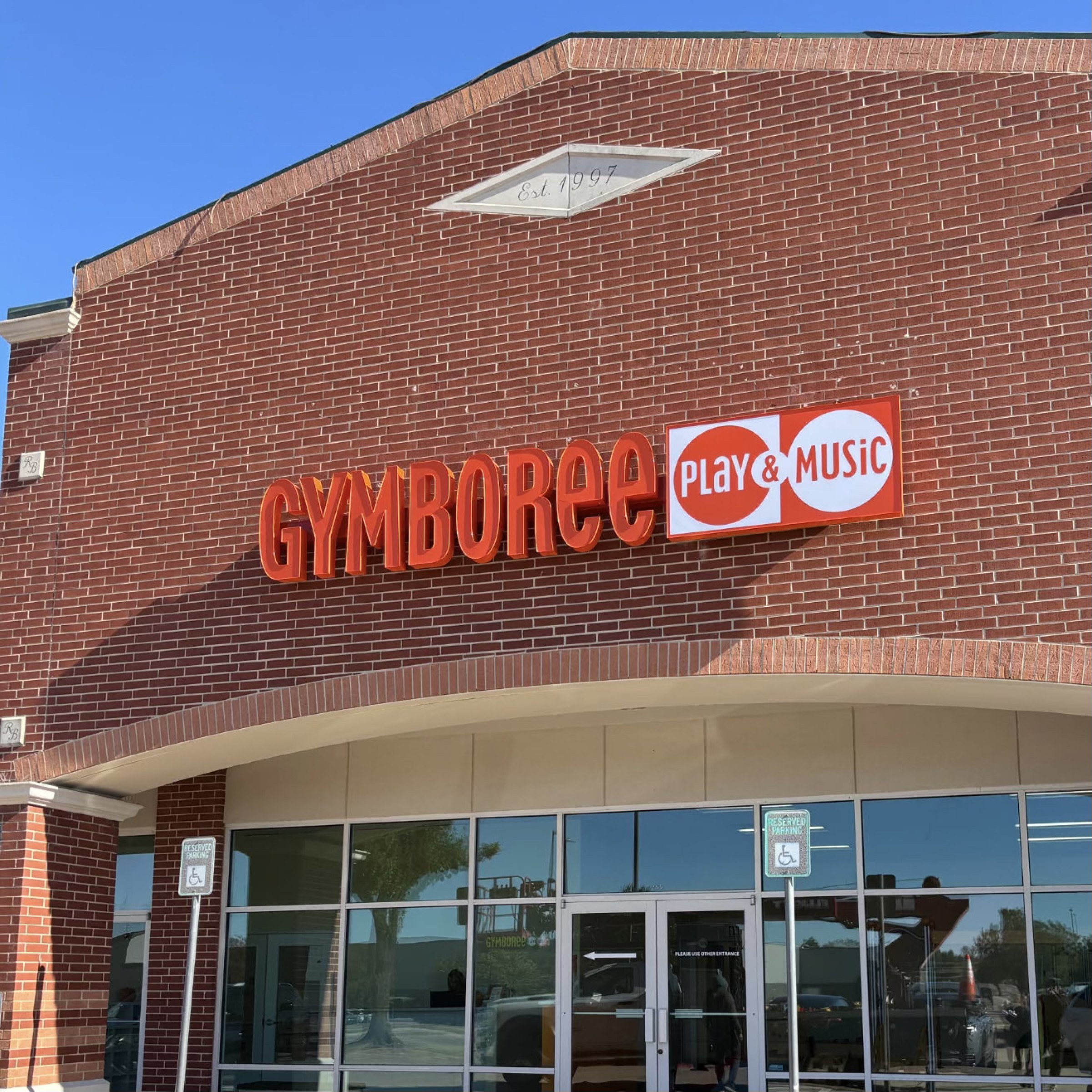
Gymboree
Illuminated channel letters, storefront identification
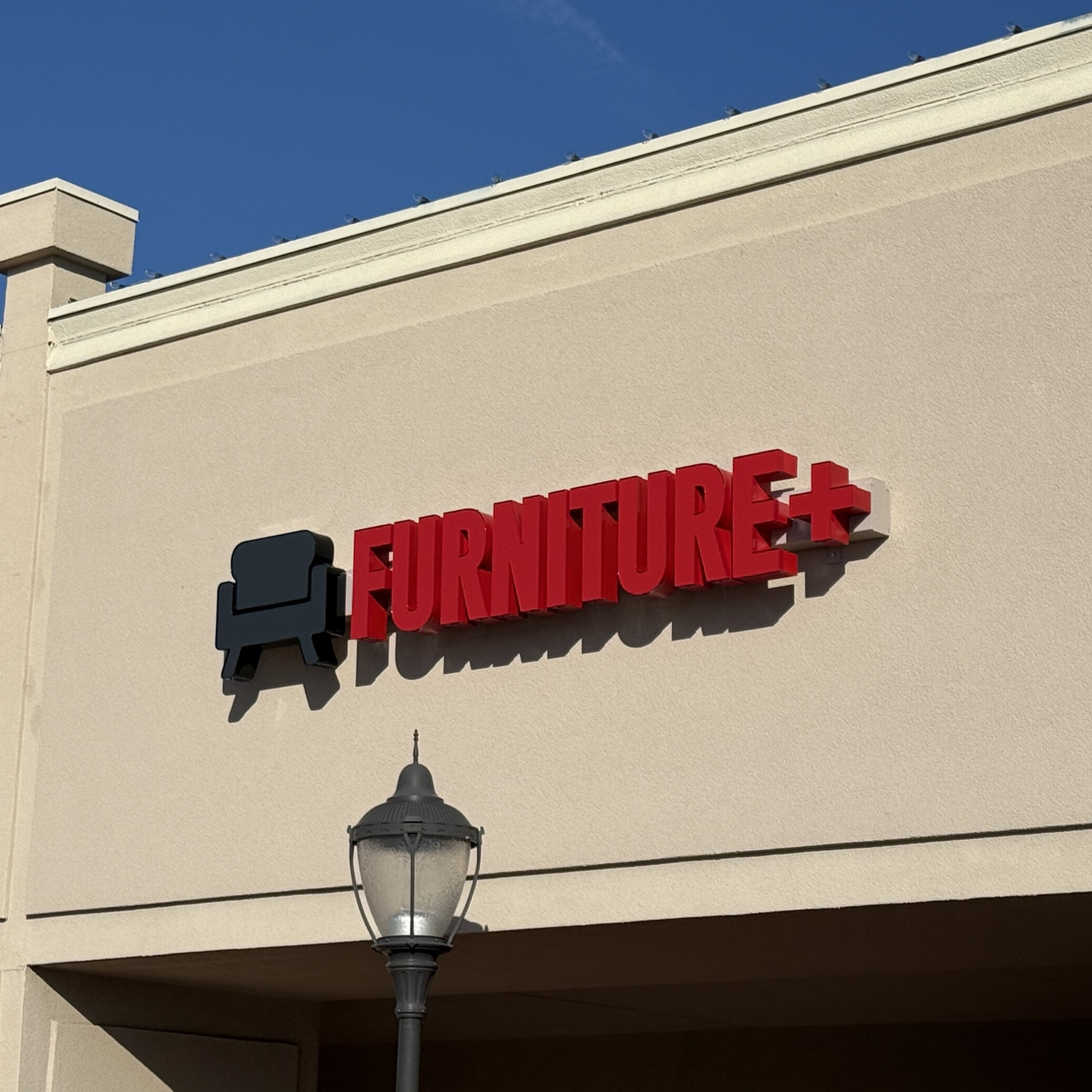
Furniture Plus
Illuminated channel letters, exterior building identification

MCSG Technologies
Non-illuminated dimensional letters, interior lobby identification
The spec we build to.
Unless your landlord’s criteria or the local code calls for something different — in which case we build to that, and tell you what changed and why.
3/16 in. acrylic with translucent vinyl. Halo-lit letters get a solid aluminum face instead.
.040 to .063 aluminum, 3 to 5 in. deep, painted to match the face or the building.
1 in. jewelite, color-matched to the face or run in a contrast color.
UL-listed low-voltage LED modules, white or color, spaced for even fill.
Remote-mounted power supplies with an accessible disconnect switch.
Raceway, flush, or backer panel — engineered to the wall it actually lands on.
Primary run and final connection coordinated with a licensed electrician.
Manufacturer warranty on LED modules and power supplies, plus ours on the installation.
The permit is where most sign projects lose three weeks.
Wall signage in the metro answers to the jurisdiction, the zoning district, and usually a landlord’s sign criteria on top of both. We clear all three before anything is fabricated.
City sign permits.
Drawings, elevations, square-footage calculations, and the electrical permit — submitted as one package to the jurisdiction the building actually sits in.
Wind load and attachment.
Letters and raceways engineered for Oklahoma wind loads, with the attachment detail the plan reviewer is going to ask for before anything gets stamped.
Landlord sign criteria.
Most leases dictate letter height, depth, illumination, and mounting method. We read the criteria first and design to it, instead of redesigning after the rejection.
Overlay and historic districts.
Bricktown, Automobile Alley, and the Paseo each have their own review. So do Edmond, Norman, Moore, Yukon, and every other metro city we pull permits in.
Six things move the number.
Anyone quoting channel letters over the phone, without seeing the building, is guessing at all six.
Letter height and count
Cost scales with the size of each letter and how many there are. A 12 in. set and a 36 in. set are different fabrications, not the same sign scaled up.
Illumination type
Halo-lit and combination letters cost more to build than front-lit. Non-illuminated is the least expensive to fabricate and the easiest to permit.
Mounting method
A raceway adds material but simplifies the install and the electrical. Flush mount looks cleaner and takes more labor on the wall.
Power at the wall
If there is no circuit where the sign goes, the run and the licensed electrical work are their own line item.
Access and install height
Anything past a standard lift, over a sidewalk, or needing a lane closure changes the install day and what it costs.
Permit and engineering scope
A routine permit is a predictable cost. A variance, a design review hearing, or a stamped engineering letter is not.
Four stages, and the same team through all of them.
Survey and design
We measure the wall, pull your landlord’s criteria, and lay the letters up on the building so you can see the real scale first.
Permits and approvals
Stamped drawings, the sign permit, the electrical permit, and landlord sign-off — submitted as one package.
Fabrication
Letters built one at a time, with the LEDs laid out for even fill and the whole set test-lit before it ships.
Installation
Mounted to the engineered attachment, wired to the disconnect, and cleaned up. Usually a single day.
What people ask before they sign.
If your question is not here, call. The answer is usually one sentence.
How long does a channel letter project take?
Most storefront sets run six to ten weeks from approved artwork: one to three weeks for permitting, three to five for fabrication, and a single install day. Historic and design review districts add time on the front end.
Do I need a permit for channel letters?
In every metro jurisdiction we work in, yes — a sign permit, plus an electrical permit for illuminated letters. We pull both. Landlord approval is separate, and usually has to come first.
Front-lit or halo-lit?
Front-lit reads farther and costs less. Halo-lit looks more deliberate up close. If the sign is read from an arterial, go front-lit. If it is read from a parking lot or a lobby, halo is worth the money.
How long do the LEDs last?
Quality modules are rated around 50,000 hours — roughly ten years on a dusk-to-dawn circuit. The power supplies usually go first, which is why we mount them somewhere a technician can reach.
Can you match my brand color exactly?
Yes. Faces are finished with translucent vinyl to your Pantone, and returns and trim cap are painted to match. If the color is critical, we show you a lit sample before production.
What if my building is brick or stone?
That usually points to a raceway or a backer panel — both spread the load and limit penetrations. We confirm the wall construction during the site survey, before the mount is engineered.
Do you service letters you did not build?
Yes. Relamping, face replacement, power supply swaps, and re-mounting after storm damage, on channel letters from any manufacturer.
Do you work outside Oklahoma City?
Edmond, Norman, Moore, Yukon, Mustang, Midwest City, Del City, Bethany, Warr Acres, Nichols Hills, and the rest of the metro. Each one permits a little differently.
If channel letters are not quite it.
Same team, same permitting desk, a different sign type.
Cabinet & storefront signs
Illuminated cabinets and lightboxes, for elevations where a letter set is not the right read.
Monument & pylon signs
Freestanding, illuminated, and multi-tenant directories — engineered, permitted, and set.
Interior & dimensional letters
Lobby lettering, feature walls, room identification, and ADA-compliant fixtures.
Service & repair
Relamping, refacing, and storm repair — on channel letters from any manufacturer.
Ready to see your letters on your building?
Send the address and a photo of the elevation. We come back with the sign type, the permit path, and a real number — not a range that moves later.

The local leaders in Oklahoma signage. We help businesses communicate their brand with clarity and impact.